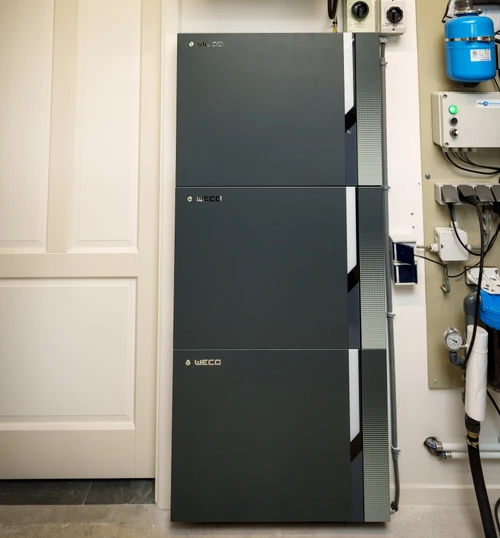


J.Boerman 9
“De installalatie keurig volgens offerte en tijdsplanning snel en vakkundig aangebracht.”
Would you like to handle your energy more cleverly and more cheaply? Trading on the imbalance market with a home battery can be an excellent way to cut your energy costs, or even to earn money. In this blog we explain what the imbalance market is and how your home battery can benefit from it without any worry on your part.
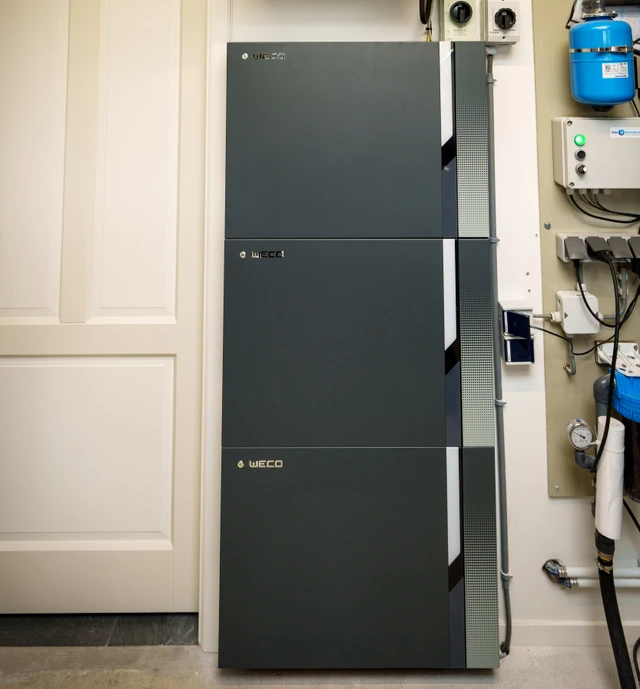
The imbalance market is a live marketplace where surpluses and shortages on the electricity grid are traded in real time. Forecasts are made of how much energy will be used and produced, but the unexpected, a change in the weather for instance, with more or less wind or sun than predicted, can throw those forecasts out. At such a moment the grid operator, TenneT in the Netherlands, steps in to keep the network in balance by paying to reduce the imbalance. That is where your home battery comes in.
To trade on the imbalance market you need a home battery fitted with our smart energy management system, and a contract with a supplier that supports trading on the energy market. Max, the face of our system, does the rest and steers your battery automatically on the basis of the imbalance. This is how it works:
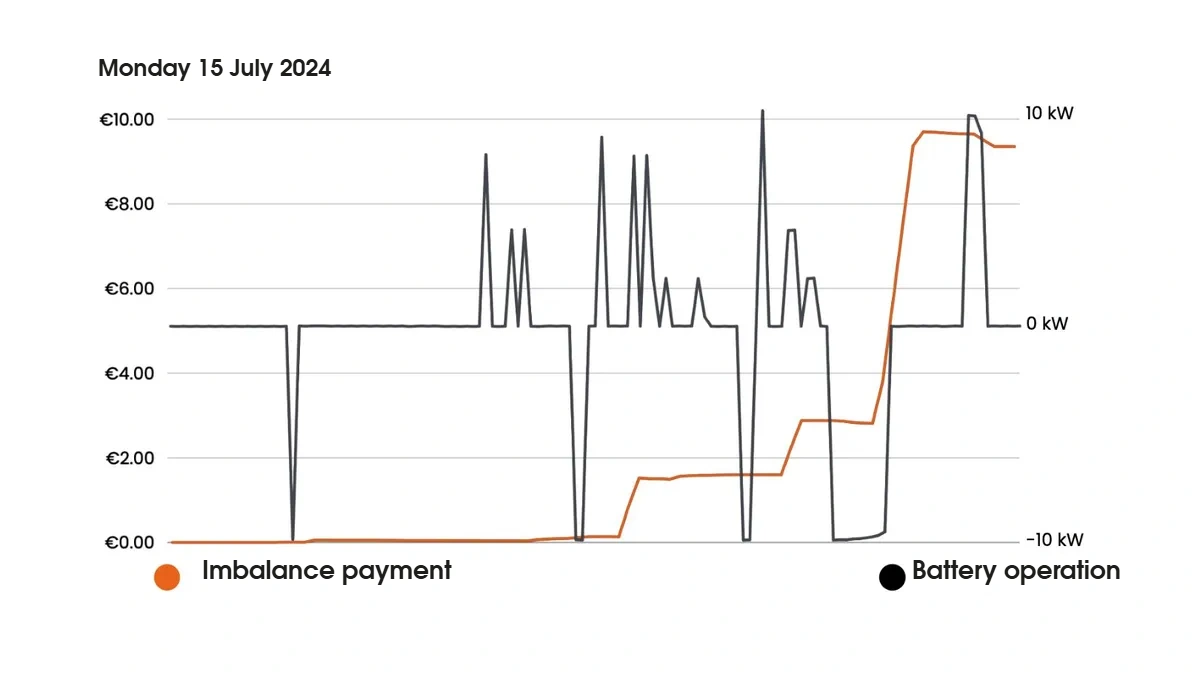
Trading on the imbalance market with a home battery brings both financial and environmental benefits. By responding cleverly to the energy market you not only earn your investment back faster, you also help keep the grid stable and clean. Want to know which home battery suits your situation? Get in touch for personal advice, with no obligation.
Worth knowing: if trading on the imbalance market does not suit you, there is no need to worry. You can always use the battery for your own consumption instead.

“De installalatie keurig volgens offerte en tijdsplanning snel en vakkundig aangebracht.”
Mark is an adviser at Dijkman Zonne-energie and knows all about home batteries and how to use your power to best effect.
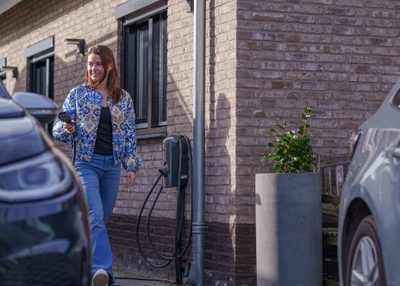
In this blog we explain which types of charging stations there are and which features suit your situation best.
Read more
A home battery has plenty of advantages that help you optimise and save. Read more in this blog.
Read more