

J.Boerman 9
“De installalatie keurig volgens offerte en tijdsplanning snel en vakkundig aangebracht.”
At Dijkman Zonne-energie we work with Enphase inverters. They stand for the best possible yield, dependability and safety, so you can enjoy the sun without a worry. Ruben is happy to explain the differences between the various inverters so you can make a well-considered choice.
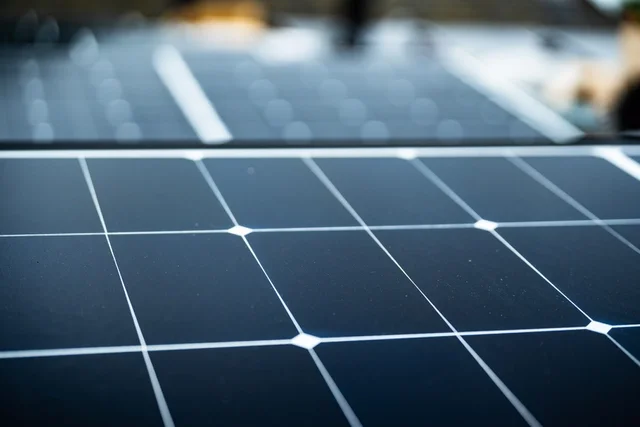
Solar panels cannot do without the sun, or without an inverter. The inverter is the heart of the system and turns the direct current the panels produce into alternating current, the kind your house runs on. During the day, while the panels are generating, you use your own energy; in the evening, when they generate nothing, you use energy from your supplier. Would you like to know more about how panels work? Then read the blog I wrote: "How do solar panels work?".
The classic string inverter is wired in series and carries a high direct voltage of about 600 to 700 volts on the roof. A central inverter in the house turns that direct current into alternating current. A characteristic of this arrangement is that if one panel stops working, for whatever reason, the whole string stops and generates nothing.
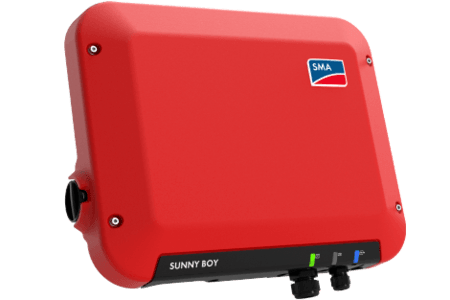
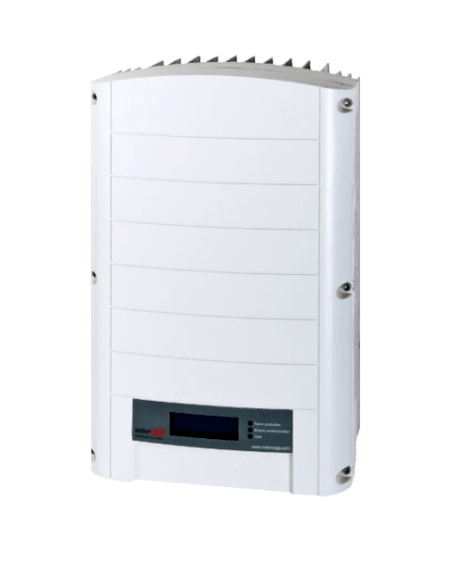
With SolarEdge and optimisers, each panel is read separately because each has its own optimiser. A central inverter is still needed to turn direct current into alternating current.
The advantage over the classic string inverter is that the whole system keeps working when one panel falls into shade or stops.
The Enphase microinverter carries a smart microchip and sits behind each panel. It converts the power from that single panel into alternating current straight away, which goes directly to the earth leakage breaker for everyday use. The microinverters work independently of each other, which gives the highest possible yield per panel. Because of them, the Enphase system needs no central inverter in the house.
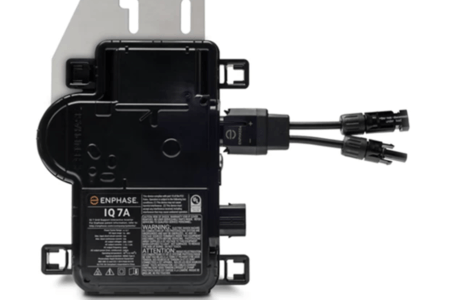

“De installalatie keurig volgens offerte en tijdsplanning snel en vakkundig aangebracht.”
Ruben is an adviser at Dijkman Zonne-energie and is happy to answer all your questions about inverters.
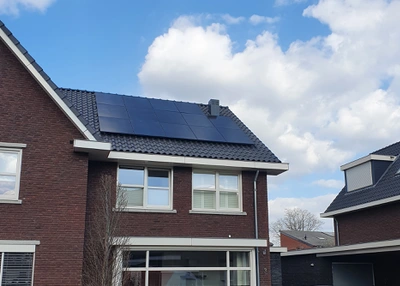
What is net metering? Why is the scheme being phased out and what will replace it?
Read more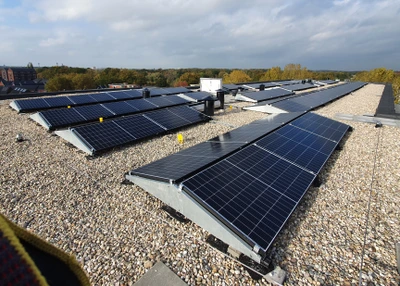
I have a flat roof, can I have solar panels too? Certainly. A flat roof even has a few advantages.
Read more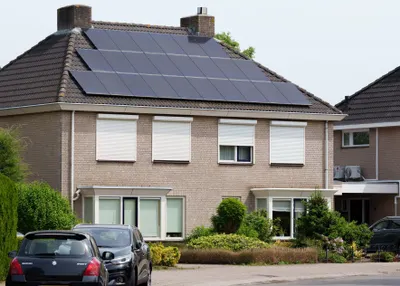
How do solar panels work? Our adviser Hans explains where solar energy comes from, what the inverter does and where panels work best.
Read more