

J.Boerman 9
“De installalatie keurig volgens offerte en tijdsplanning snel en vakkundig aangebracht.”
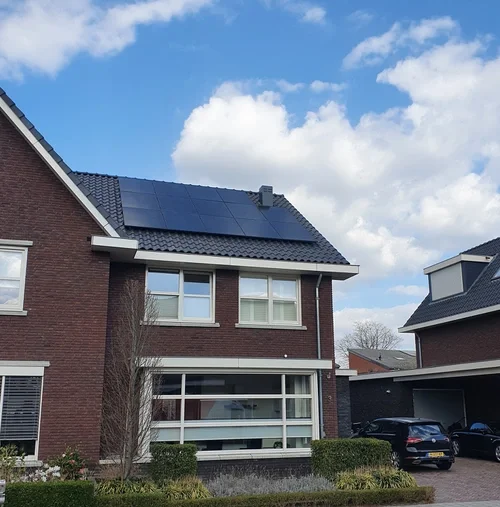
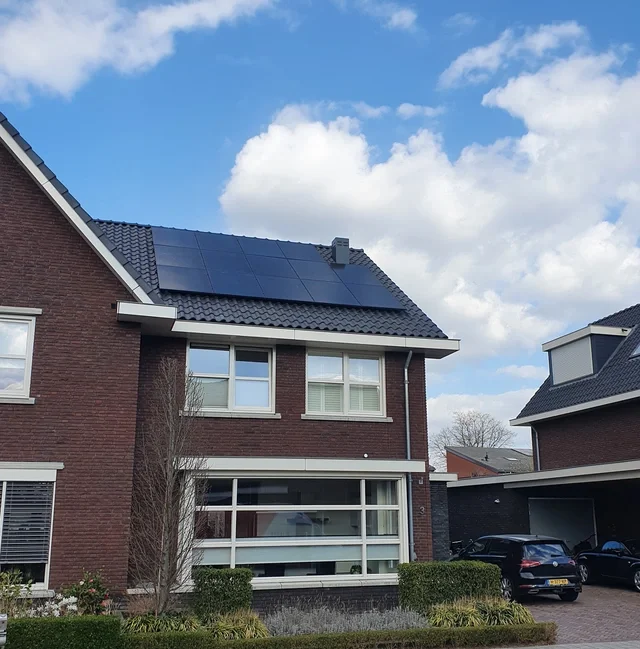
With solar panels on your roof and your electricity coming from the sun, you are well on your way. You use the power your panels generate just as you use power from a supplier. But you use more in one month than in another. How does that work exactly? Adviser Mark explains in this blog.
When your panels have generated too little, you still need power from a supplier: in the evening, for instance, when the panels generate nothing. For that extra power you pay the normal rate to the supplier of your choice. But you may also generate more than you use, during the day while you are at work and the panels are producing plenty. When that happens you can net it off. Netting off means feeding the solar power you generate back to your supplier, for which you receive a payment, or it is set off against the power you drew from them.
Net metering as it works today is very favourable, because the power you supply and the power you use are settled at the same rate. An example: say electricity costs 20 cents per kWh. Of that, about 6 cents is the bare energy price, 10 cents is energy tax and 4 cents is VAT. At the moment you are paid the full 20 cents, which means more than half of what you get back is effectively subsidised.
From 2025 the government intends to wind the scheme down. Solar panels keep getting cheaper and more people buy them, which makes net metering unnecessarily expensive for the state. By 2031 it should have gone altogether. That means it will then pay better to use the surplus you generate straight away, or to store it.
Because the present scheme costs the government a great deal of energy tax, it wants to move to a different arrangement. A feed-in subsidy would replace net metering: when you feed power back you receive the bare electricity price from your supplier, and the government adds a subsidy on top. The level of that subsidy is set each year and is flexible, which means it follows the price of solar panels. That way the state spends less while solar panels stay attractive. A subsidy per kilowatt-hour means the more panels on your roof, the more it brings in.
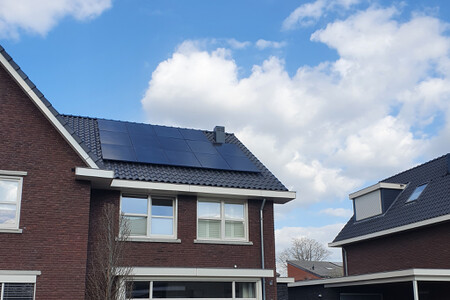
As net metering is wound down, it will in time pay better to keep the energy you generate in batteries for later use. That way there is no need for a contract with an energy supplier at all. Investing in solar panels and in batteries to store the energy is the route to generating and using clean energy entirely on your own.
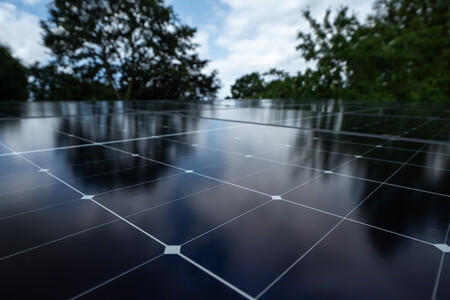

“De installalatie keurig volgens offerte en tijdsplanning snel en vakkundig aangebracht.”
Mark is an adviser at Dijkman Zonne-energie and is happy to answer all your financial questions about solar panels.
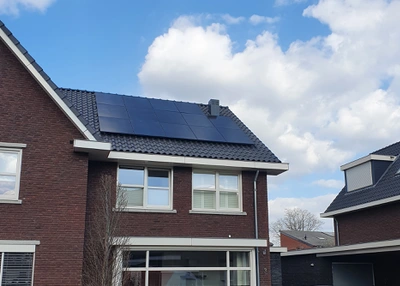
What is net metering? Why is the scheme being phased out and what will replace it?
Read more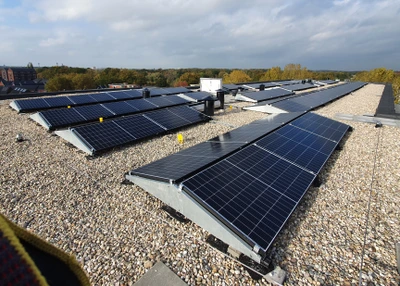
I have a flat roof, can I have solar panels too? Certainly. A flat roof even has a few advantages.
Read more
How do solar panels work? Our adviser Hans explains where solar energy comes from, what the inverter does and where panels work best.
Read more