

J.Boerman 9
“De installalatie keurig volgens offerte en tijdsplanning snel en vakkundig aangebracht.”
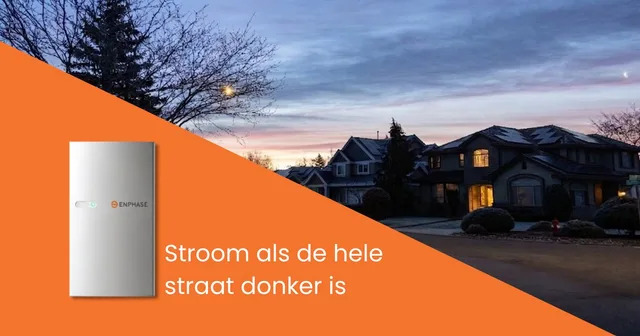
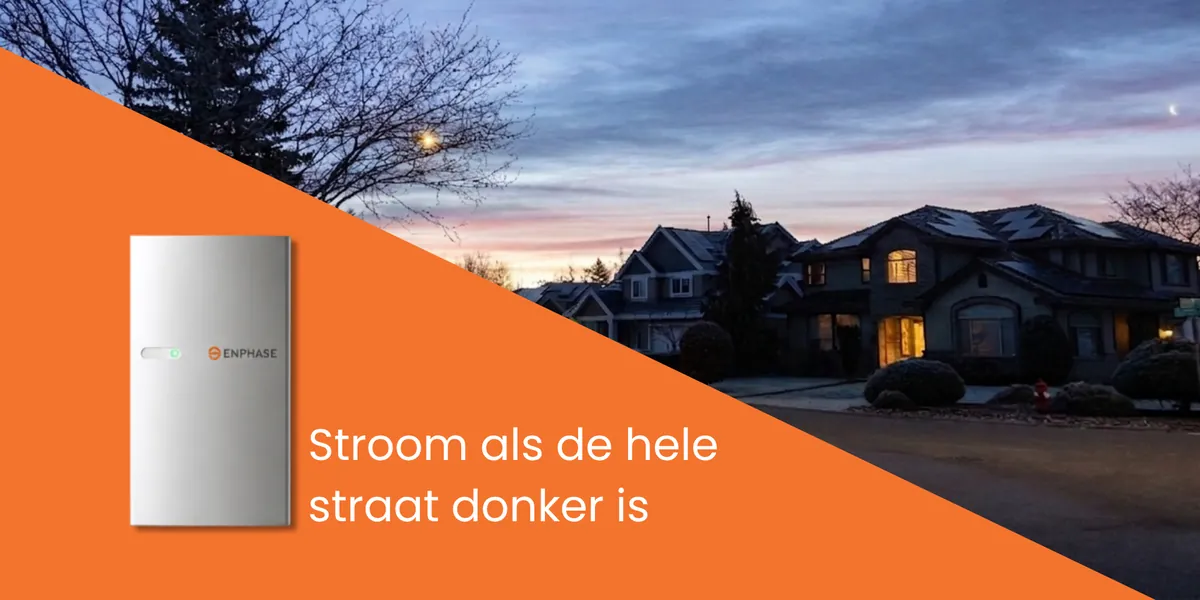
The Netherlands has one of the most reliable power grids in Europe. On average a household here is without power for only about 20 minutes a year because of an outage (21.7 minutes in 2025, according to Netbeheer Nederland). Sounds good, right? But that average does not tell the whole story. Most households have no outage at all in a year, and those who do have one sit in the dark for well over an hour on average. Never at 3 in the morning, when nobody notices. Always exactly during dinner, the penalty shoot-out or that one important video call with your boss.
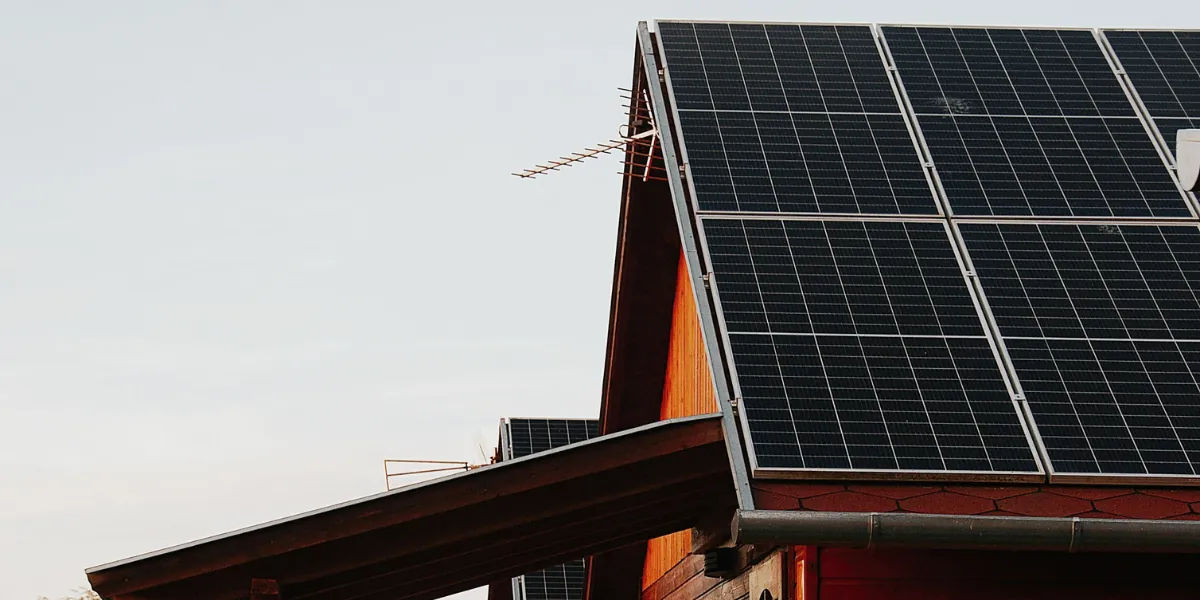
And then comes the surprise: your solar panels do nothing either. A roof full of sun, a house without power. How can that be?
In this blog we explain it to you. Why your inverter stops straight away during a power outage, and how emergency power from a home battery simply keeps your lights, wifi and a cold fridge going. You will also read the difference between emergency power (one separate circuit in your meter cupboard keeps working) and backup (your whole home keeps working), because those are two different solutions. Including a calculator, so you can see right away how long your home keeps going while the rest of the street looks for candles.
First the bad news. When the power goes out, an ordinary inverter switches itself off almost immediately, within two seconds at the latest. Not because it is broken. It does exactly what it is supposed to do: nothing at all.
This is called anti-islanding protection. It is mandatory under the Dutch Netcode elektriciteit and the European standard NEN-EN 50549-1. Since April 2021 no new or replaced inverter goes onto the grid without a certificate under that standard. Every inverter on the power grid has this protection. So your inverter is not lazy. It is obedient. Switching it off is not possible. And believe us: you would not want to either. Below you can read why.
Without that protection your installation would keep putting power onto the grid while the whole neighbourhood sits in the dark. Your home then unintentionally becomes a small power island. Hence the name island mode. Sadly: no palm trees, no cocktails, but a danger to life. The only island nobody books a ticket for.
The engineer from the grid operator who comes to repair the fault assumes the cable is dead. If your inverter is still putting voltage on it, that engineer is suddenly working on a live cable. You would not wish that on anyone.
It can also damage your appliances and the grid the moment the power returns and is no longer in step with your system. So the rule is hard and simple: no grid, no inverter. Full stop.
Yet there is also a good island. That is exactly what emergency power and backup do, and the secret is in the order: first physically disconnect your home (or part of it) from the grid, and only then make your own voltage. That way there is never power on the cable the engineer is working on. The same island, but with the barrier down.
The solution is not in the panels. They cannot help it. They just work here. The solution is a home battery with a hybrid inverter with a separate emergency power output, called EPS in the trade (Emergency Power Supply). Or, one step further, a backup box that takes over your whole home. Two different solutions, two different price tags. We explain the difference below.
The clever part is the disconnecting. During an outage the system automatically disconnects your home, or a separate part of it, from the public grid. Your home is really saying, very politely: "I'll take over for a moment." This creates a deliberate and safe little island: the good island from above. No more power goes onto the grid, and within your walls the battery simply powers your most important appliances. You have power, the engineer is safe. Everybody happy.
Is the grid back? Then the system first waits about a minute, until voltage and frequency are stable again. After that it neatly reconnects itself and continues charging the battery.
Emergency power is the entry level. One separate emergency power circuit in your meter cupboard keeps working: fridge, lighting, wifi and central heating boiler. The hybrid inverter has its own emergency power output for this. The rest of the house stays dark during the outage, but the most important things keep running. This is part of most hybrid systems we install.
Backup is the complete version. A transfer switch on your main connection disconnects your whole home from the grid, and the battery and solar panels take over everything. Every circuit keeps working, as long as your total consumption stays within the power of your system. You switch off the heat pump and the charging station during an outage, or you let them switch off automatically. You need a backup box or system controller for it, and usually a larger battery.
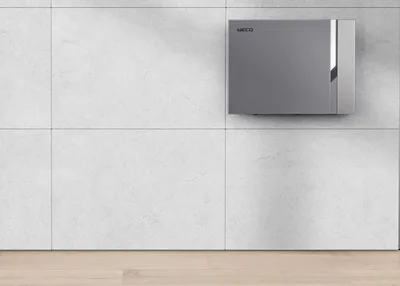
An emergency power socket is the lightest form. Our plug-in HYXi Halo has one: one socket on the battery itself stays live, up to 3,000 watts. Your circuits in the meter cupboard do not. Handy for the fridge and the router, not for the whole household.
And a UPS? That is something else again: an emergency supply without even one millisecond of interruption, for a computer or server. Our hybrid inverters switch over so fast (within 4 to 20 milliseconds) that your PC and router do not notice a thing. In the market that is called 'UPS level'.
| Level | What keeps working during an outage | Switch-over | Power | In our range |
|---|---|---|---|---|
| Emergency power socket | One socket on the battery itself. You plug appliances into it yourself; your circuits in the meter cupboard stay off. | Automatic, within 20 ms | 1,500 W (base) up to 3,000 W (with extra module) | HYXi Halo (plug-in) |
| Emergency power (emergency power circuit) | One or a few circuits in your meter cupboard: fridge, lighting, router, central heating boiler. The rest of the house is dark. | Within 4 to 20 ms | Single-phase 3 to 8 kW, three-phase up to 10 kW | Solis S6 hybrid inverter, HYXi hybrid H series |
| Backup (whole home) | Your whole home, as long as consumption stays within the power of the inverter and battery. Large consumers off or prioritised. | Per brand: HYXi a few milliseconds, Enphase within 120 ms, SolarEdge a few seconds | The power of your system, for example 3.84 kVA per Enphase IQ Battery 5P or 63 A per phase with HYXi | Enphase IQ Battery 5P with IQ System Controller 3, SolarEdge Home Hub with Home Backup Interface, HYXi All-in-One |
The systems we install, per level:
You have nothing to do. No plugs to move. No torch between your teeth. No panic at the meter cupboard.
If you choose emergency power, you do not put your whole house on the battery. You do not need to either. You choose a separate circuit with the things that really matter:
What you usually do not put on it: the hob, the heat pump and the charging station. The charging station alone eats a whole home battery for breakfast: charging at 11 kW drains a 10 kWh battery in less than an hour. And yes, sadly the 1400 watt coffee machine too. It drains your battery as if it were nothing. Life is hard, we know.
Do you choose backup of your whole home? Then those large consumers do stay connected, but you switch them off during an outage, or you let them switch off automatically. That way you save your battery for the things that really matter.

Tick what has to keep running at your home, choose your system and your battery size and see right away how many hours of emergency power you have. Feel free to play with it. The coffee machine in particular is instructive.
What has to keep running?
What do you use now and then during the outage?
These run for minutes, not hours. We count them per use.
Which system?
How large is your home battery?
How full is your battery when the outage starts?
Your result
Indication based on average power ratings and 85% usable capacity (depth of discharge and inverter losses). Actual consumption differs per household and appliance. Power ratings and battery sizes as stated by the manufacturer.
Good news for the divas among your appliances. Most hybrid inverters we install switch over within 4 to 20 milliseconds. A blink of an eye takes longer. So your computer (faints at the smallest voltage dip) and your router simply keep running. In the market that is called 'UPS level', after the UPS (Uninterruptible Power Supply, the emergency supply from server rooms). A real UPS switches without any interruption and also filters out voltage dips; a hybrid inverter does not do that, but for a PC and router UPS level is more than enough in practice.
The exception is SolarEdge. The Home Hub with Home Backup Interface needs a few seconds, after which everything starts up again. Your fridge and central heating boiler do not lose sleep over that; your PC restarts. With a backup box for your whole home the switch-over time also differs per brand, so get good advice.
A standalone backup battery runs empty at some point, and then it stops.
With solar panels and a home battery it is different. If the failure lasts longer and the sun is out, your panels simply charge the battery again during the day, inside your own safe island. The sun sends no invoice. That is how you get through a longer power cut: you watch a film in peace while the neighbour empties his freezer.
One piece of small print: this works with hybrid systems, where your panels are on the same inverter as the battery, and with systems that form an island grid themselves, such as Enphase. When the battery is full, the system turns your panels down for a moment by itself. Do you have a separate battery next to an existing inverter? Then ask whether that inverter keeps running in island mode. Not every system can do that.

Net metering ends on 1 January 2027. From then on, using or storing your own solar power is the norm, which means the home battery is too.
See emergency power as the bonus with your home battery. You buy the battery to use more of your own solar power, and for a limited extra cost (a separate circuit and some installation work in the meter cupboard) you get the certainty of power during an outage on top. Two birds with one stone. And you do not even have to throw. Do you want your whole house behind a backup box? Then that is a larger investment. Our adviser works out both for you. Also read our blog about the end of the net metering scheme in 2027.
Do I automatically have power during a power outage with solar panels?
No. An ordinary inverter is required to switch off during an outage because of the anti-islanding protection. Only with a home battery with an emergency power or backup function do you keep power.
What is the difference between emergency power and backup?
With emergency power one separate circuit in your meter cupboard keeps working: fridge, lighting, wifi and central heating boiler. The rest of the house is dark. With backup a transfer switch on your main connection disconnects your whole home from the grid and the battery and solar panels take over everything. Backup needs a backup box or system controller and usually a larger battery.
Does emergency power also work at night?
Yes, as long as there is charge in the battery. So set an emergency power reserve, so that something is always left in the evening. During the day your solar panels recharge the battery.
Can I put my whole house on emergency power?
Yes, that is called backup. A transfer switch on your main connection disconnects your whole home from the grid. The power of the inverter and battery does have to match your consumption, and you switch off large consumers such as the heat pump and the charging station during an outage.
How fast does the system switch over?
Most hybrid inverters switch over within 4 to 20 milliseconds; you do not notice that. SolarEdge needs a few seconds, after which everything starts up again.
Does a plug-in home battery have emergency power too?
Only through an emergency power socket on the battery itself. Our HYXi Halo switches it on automatically, within 20 milliseconds, up to 3,000 watts. Your circuits in the meter cupboard stay without power.
Our advisers look at your consumption, your meter cupboard and your solar panels. Then we work out which home battery with emergency power or backup suits your situation. No obligation, with coffee. That always works at our place. Contact us.

“De installalatie keurig volgens offerte en tijdsplanning snel en vakkundig aangebracht.”
Mark is an adviser at Dijkman Zonne-energie and knows everything about home batteries, emergency power and backup. He is happy to work out which solution suits your home: an emergency power circuit or a backup of your whole home.
In this blog we explain which types of charging stations there are and which features suit your situation best.
Read more
A home battery has plenty of advantages that help you optimise and save. Read more in this blog.
Read more