

• Personal advice
  • Installed within 6 weeks
  • Affiliated with SGZE
  • Certified company
Carefree enjoyment of the sun
Free consultation

A dynamic energy contract and solar panels

How does it work?

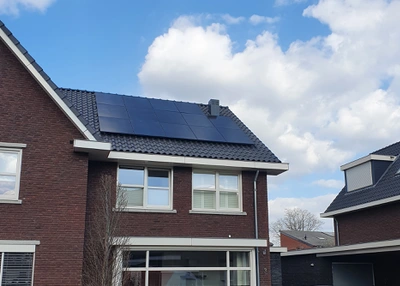
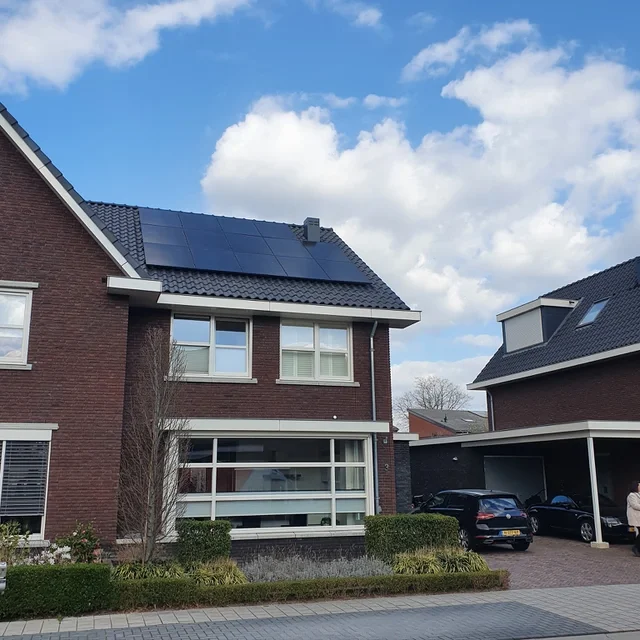
Brick house with black solar panels on the roof against a blue sky with clouds

Dynamic energy contracts are becoming more popular in this country. Dynamic rates are seen as an alternative to the traditional fixed and variable rates, where the price of electricity and gas stays the same for longer. But how attractive is a dynamic contract if you have solar panels? This blog explains.

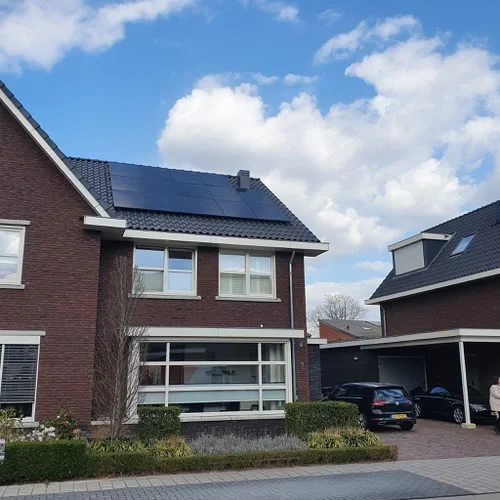
Brick house with black solar panels on the roof against a blue sky with clouds

What is a dynamic energy contract?

A dynamic energy contract, also called a flexible contract, is one where the rate for electricity changes every hour and the rate for gas every day. The rates are always known a day in advance. When prices fall you benefit straight away; when they rise you pay more.

Dynamic energy contract and solar panels

The difference between a fixed, a variable and a dynamic contract

On both a fixed and a variable contract you pay a monthly amount in advance. On a dynamic contract you do the same, but the advance is adjusted the following month to match what you actually used. That can make the monthly payments vary quite a bit.

Whether you choose a fixed, a variable or a dynamic contract, each has its advantages and drawbacks. A fixed contract gives you financial certainty, while a variable one gives you room to respond to changes in what you use. A dynamic contract goes a step further and adjusts the monthly advance to your actual use and to the dynamic prices, so your costs follow reality more closely.

The main differences:

  • A fixed contract gives certainty: you know exactly what you pay each month and the price does not change while the contract runs. It also means less flexibility.
  • On a variable contract the rates move. You benefit when they fall and pay more when they rise, and they can change every month.
  • On a dynamic contract the rate follows supply and demand on the market. It can differ every hour, so the price falls when plenty of energy is available, for instance when there is a lot of sun and wind.
The difference between fixed, variable and dynamic contracts

A dynamic contract with solar panels and a home battery

Solar panels can affect which contract suits you, particularly when you feed your surplus back to the grid. Under the current net metering scheme all the electricity your panels generate is set off against what you use. A dynamic contract can give panel owners more flexibility, because it is easier to move to another supplier or another contract. That can work out well for people who follow the energy market closely and take advantage of the best rates.

Combining a home battery with a dynamic contract lets you store energy when it is cheap and use it during peak hours, which saves you more still, because what you pay for electricity follows the purchase price. With our smart energy management system your battery charges automatically during off-peak hours, so you use that power when prices are high. The VAT on buying and installing a home battery can be reclaimed, provided you have a dynamic energy contract. Read more about the VAT refund on home batteries here.

Read more about the home battery here
A dynamic contract with solar panels and a home battery

Using energy cleverly with the energy management system

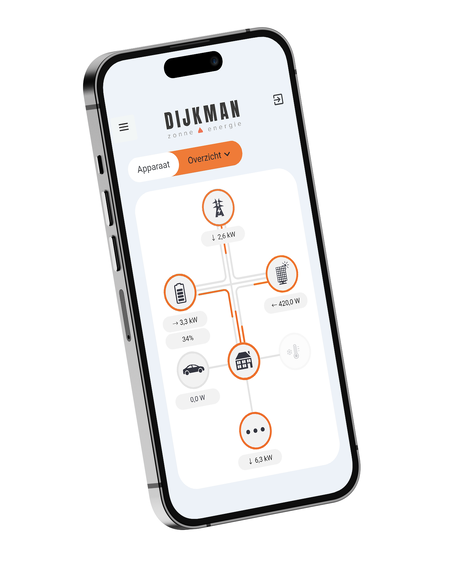
The energy management system manages what you use and gets the most out of it. The aim is to use the energy you generate, and the energy you draw from the grid, more efficiently and more cheaply. The software steers the flows automatically, so power is bought when prices are low and the battery charges at the best moment. You do not have to do a thing.

Read more about the energy management system here
Energy management system

The advantages and drawbacks of a dynamic energy contract

On a dynamic contract electricity during the sunny hours is often cheaper than in the morning or the evening. For owners of solar panels that means they also receive less for the solar power they feed back during those hours, although this differs per contract. Below are some of the advantages and drawbacks.

Advantages of a dynamic energy contract

  • You get the most out of your home battery when prices are dynamic
  • You pay the actual purchase price
  • You have no fixed contract, so no penalty for leaving
  • Lower energy costs if you use power cleverly
  • Green energy use is rewarded

Drawbacks of a dynamic energy contract

  • You do not know in advance what your energy will cost
  • You have to follow and adjust what you use to get the full benefit, which takes time and effort. (With our energy management system the software does it for you.)
  • You pay more when prices are high
  • Feeding energy back may earn you less
Advantages and drawbacks of a dynamic contract

Max Control

A dynamic energy contract can be very attractive if you have solar panels, because of the varying rates. Through a handy app, Max Control gives you a detailed view of what your panels and your other sustainable systems generate.

Read more about Max Control
Max Insight

Frequently asked questions

  • Which energy contract is best with solar panels?

    In most cases there is no definitive answer to whether a fixed, a variable or a dynamic contract is best for a household with solar panels. It depends on your circumstances: how much you use, how much your panels generate and feed back, and how much you value predictable prices against flexibility.

  • When is a dynamic contract attractive?

    A dynamic contract can be particularly worthwhile for people who follow the price swings closely and act on them. By running appliances at the right moments you take full advantage of the lower rates. The benefit shows most when you use a lot of electricity, for instance when you charge an electric car regularly.

  • How do net metering and a dynamic contract work together?

    With dynamic net metering the energy you feed back is measured precisely and settled at the current prices, so you benefit from the favourable rates that come and go through the day. Traditional net metering works differently: the energy you feed back is deducted from your total use at a fixed rate, which leaves less room to take advantage of the price swings during the day.

  • How do you save on a dynamic energy contract?

    On a dynamic contract you save by using electricity deliberately at the moments when prices are low. You can plan your use for times when demand is lower, at night or during off-peak hours, and run heavy appliances such as the washing machine or the dishwasher when rates are low. Following the prices and adjusting your pattern to them is what saves money on a dynamic contract, certainly in combination with our energy management system.

Mark, adviser at Dijkman Zonne-energie
Mark Adviser
9.1/10 | 2064 reviews
J.Boerman 9

“De installalatie keurig volgens offerte en tijdsplanning snel en vakkundig aangebracht.”

Want to know more about a dynamic contract with solar panels?

Request a consultation with Mark.

Mark is an adviser at Dijkman Zonne-energie and is happy to answer all your questions about a dynamic energy contract with solar panels.

Mark, adviser at Dijkman Zonne-energie
Mark Adviser

More about solar panels

Net metering and the feed-in payment for solar panels

What is net metering? Why is the scheme being phased out and what will replace it?

Read more

Solar panels on a flat roof

I have a flat roof, can I have solar panels too? Certainly. A flat roof even has a few advantages.

Read more

How do solar panels work?

How do solar panels work? Our adviser Hans explains where solar energy comes from, what the inverter does and where panels work best.

Read more