

J.Boerman 9
“De installalatie keurig volgens offerte en tijdsplanning snel en vakkundig aangebracht.”
From 1 October 2023 the energy supplier Vandebron began charging customers a feed-in fee for solar panels, which raises plenty of questions. Is it still worth feeding the energy you generate back to the grid, and what does it actually cost you? This blog answers those questions and explains how this extra fixed charge works.
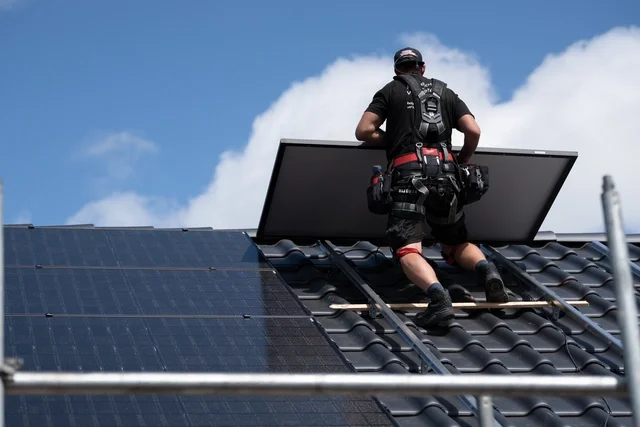
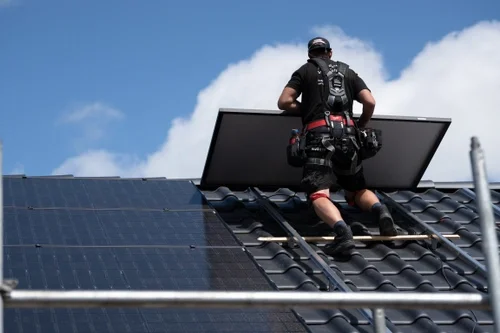
With energy prices rising, far more solar panels have been installed in recent years, and more electricity is fed back to the grid as a result. That makes the grid busier and raises the cost for energy suppliers. Vandebron says this increase brings extra costs for them, so they have decided to pass those costs on to customers with solar panels.
Moving electricity prices and a varying solar yield bring extra costs for the supplier, because power is sometimes sold cheaply and bought back dearer. A price difference also arises on sunny days when the market price is low, or the other way round. Another important argument from Vandebron is that the cost of feeding back was being charged to all customers, including those without solar panels.
The fee is worked out from how many kilowatt-hours of solar energy you feed back in a year. The fixed cost is divided into bands, and the rates rise the more kWh you feed back.
You can work out what you are left with by subtracting the feed-in cost from your yield.
Yield = (netted off x electricity rate) + (fed back x feed-in payment) - fixed feed-in costs
Where: fixed feed-in costs = number of days x the rate per day or month from the relevant band.
Vandebron charges the fixed feed-in costs from 1 October to customers on a variable contract. For customers on a fixed contract it changes only when the contract is renewed. For customers on a dynamic contract the fixed costs do not apply, because there the payment for feeding back already equals the purchase price at that moment.

The fee has caused a good deal of commotion. According to the Dutch consumer and markets authority, suppliers are obliged to offer consumers a model contract with no extra charge, and such contracts do not allow extra costs to be charged to owners of solar panels.
It is worth noting that the Vandebron website shows only contracts to which the fixed feed-in costs apply.
Other suppliers now charge feed-in costs to owners of solar panels as well. After Vandebron came Budget Energie, OM Energie, Energie VanOns, Innova, Pure Energie, United Consumers, Gewoon Energie and Vrijopnaam. Some suppliers also charge higher monthly amounts to customers with panels, or no longer offer three-year contracts. Our tip: always read a supplier's conditions before you sign.
Developments such as the feed-in fee make it more important all the time to use the power you generate cleverly. The energy management system from Dijkman helps you steer it efficiently, so you enjoy the sun without a worry.
Read more about energy management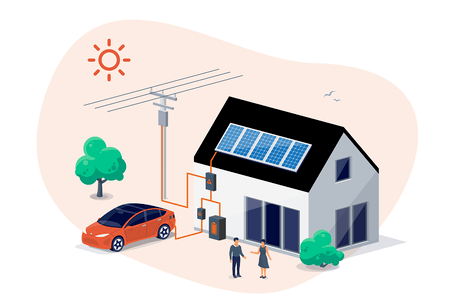

“De installalatie keurig volgens offerte en tijdsplanning snel en vakkundig aangebracht.”
Ruben is happy to answer all your questions about feed-in costs for solar panels.
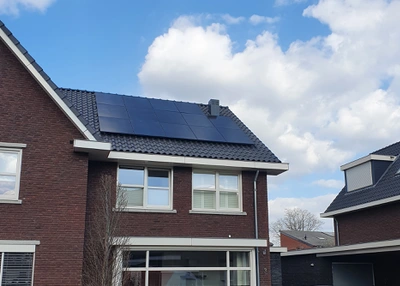
What is net metering? Why is the scheme being phased out and what will replace it?
Read more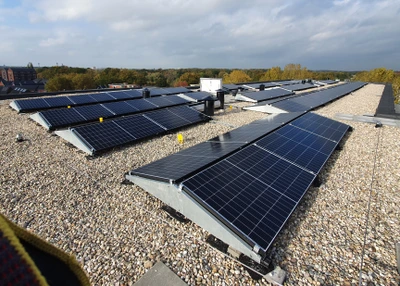
I have a flat roof, can I have solar panels too? Certainly. A flat roof even has a few advantages.
Read more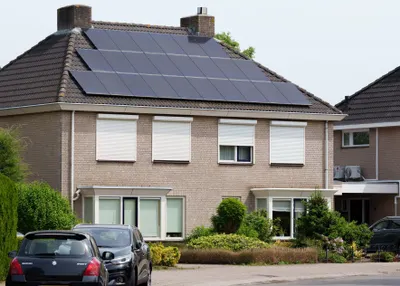
How do solar panels work? Our adviser Hans explains where solar energy comes from, what the inverter does and where panels work best.
Read more