

J.Boerman 9
“De installalatie keurig volgens offerte en tijdsplanning snel en vakkundig aangebracht.”
Moving gas and electricity prices, the feed-in charge, the new plans to end net metering in 2027 and the rise of electric cars and batteries. The world around us is changing fast. We are asked more and more often whether solar panels are still worth it, and what the future holds. If you ask us, the future is still sunny. This article answers the questions we hear most and sets out how we see what is coming.
To come straight to the point: yes, solar panels are still worth it, and they will be in 2027. We understand there is unease about suppliers charging extra costs. Happily energy tax goes down from 2027, so an average system still pays for itself within seven years. The phase-out of net metering has also been postponed again. There is now a new plan to end it in January 2027, but it still has to be approved by both chambers of parliament. In the meantime you continue to enjoy the advantages of solar panels. Below we go through each development.
When the government fell, the phase-out of net metering was left hanging. The plan to wind it down in stages from 2025 was swept off the table. There is now a new plan to end it from 2027. Until then you still benefit from net metering, which makes solar panels attractive to buy. And even once the scheme ends, generating your own solar energy remains financially attractive. Thanks to the energy management system and a home battery you can use or store your solar energy cleverly and efficiently.
The supplier Vandebron was the first to charge fixed feed-in costs to owners of solar panels, from 1 October 2023, and more suppliers have followed. It means households that feed solar energy into the grid pay an extra amount. That raises questions such as: are solar panels still worth it? It does, after all, make the financial benefit smaller.
Do you pay a feed-in fee? Then solar panels are still worth it, because the solar energy you generate and use is energy you do not have to buy from the grid. And by using your power cleverly you still save on your bill.
We understand you are wondering what all this means for the payback time of solar panels, which depends on several things. The 2027 tax plan lowers energy tax by 1.72 cents per kWh, which shortens the payback time for panel owners by weeks or months. The end of net metering and the feed-in fee, on the other hand, lengthen it. Even so, there is no need to worry: according to TNO, the Dutch organisation for applied scientific research, the payback time for systems bought in 2023 is just under seven years.
Energy prices keep moving as well, but one thing is certain: fossil fuels are becoming scarcer and dearer, while the sun, the source of solar energy, is free. Investing in solar panels prepares you for rising costs. The return on your investment can be considerable, depending on where your house stands and how many panels you fit.
We mentioned it already: the rise of home batteries and the growing number of electric cars on the road. Both make solar panels more worthwhile. Charging your car on the energy you generate yourself lowers your fuel costs, and a home battery stores the surplus for use at night or on cloudy days, which makes you less dependent on the grid.
Charging stations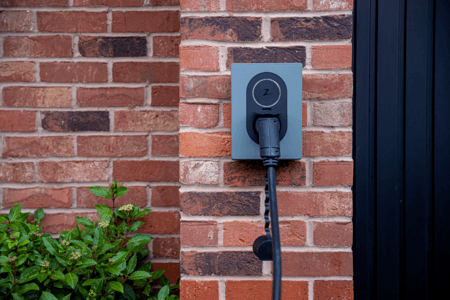
Solar panels remain attractive whatever type of energy contract you have. A dynamic contract is one with changing prices for electricity and gas, set by the hour according to supply and demand. That means prices are low when demand is low, when the sun is shining for instance. Do you have panels and a home battery or a charging station? Then the energy management system can charge your battery or your car on solar energy at the cheapest moments, and you use the power from the battery when prices are higher.
In short, the future of solar panels still looks sunny to us. Thanks to advances in technology their efficiency will keep improving, which makes them more attractive still. And with the arrival of energy management systems and electric cars, generating your own energy becomes more interesting all the time. Despite changes in the rules and in the technology, solar panels remain a worthwhile, durable choice for the long term.
Solar panels have a bright future ahead. Would you like to know exactly how much energy yours generate? Then take a look at Max Control. It gives you a detailed overview of what your panels produce, of what you use and of what you feed back to the grid.
Read more about Max Control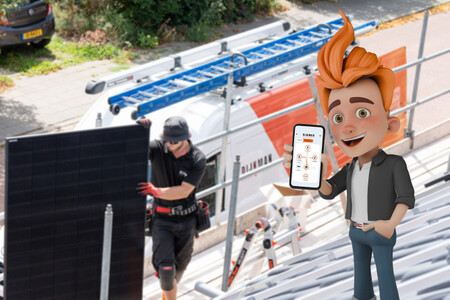
Whether you already have solar panels or are considering them, we are ready to advise you on your own situation. Solar panels remain a worthwhile investment, and we offer a complete solution that gets the most out of your clean energy. Our advanced energy management system lets you improve how you use energy. It can switch the inverter off when electricity prices are negative and steer your consumption as efficiently as possible.
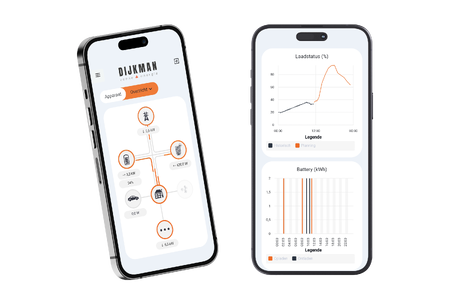
Investing in a home battery is also a smart way to store surplus solar energy for later, or you can charge your electric car through a smart charging station. Together with our energy management system, a battery and a charging station give your house one integrated, sustainable energy system.

“De installalatie keurig volgens offerte en tijdsplanning snel en vakkundig aangebracht.”
Mark is happy to answer all your questions about solar panels and what they bring.
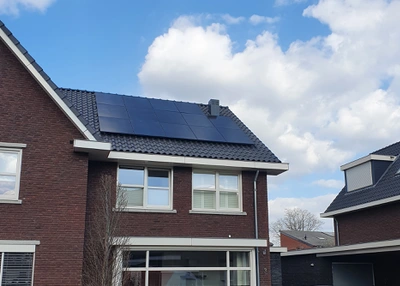
What is net metering? Why is the scheme being phased out and what will replace it?
Read more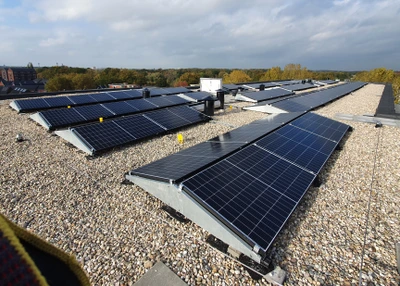
I have a flat roof, can I have solar panels too? Certainly. A flat roof even has a few advantages.
Read more
How do solar panels work? Our adviser Hans explains where solar energy comes from, what the inverter does and where panels work best.
Read more